
Glamping is short for “glamorous camping.”
At its simplest, glamping means staying close to nature with more comfort than traditional camping. Instead of pitching your own tent, sleeping on the ground, and packing half your garage, you book a ready-to-stay accommodation.
That might be a safari tent, yurt, dome, treehouse, tiny cabin, bell tent, Airstream, shepherd’s hut, tipi, pod, or vintage trailer.
The setup depends on the property. Some glamping stays are rustic and simple. Others feel like boutique hotels dropped into the woods.
The main idea stays the same.
You get an outdoor escape without the usual camping hassle.
The word “glamping” is commonly used to describe camping with added comfort, style, and amenities. You can read a simple background definition on Wikipedia’s glamping page, but the real-world meaning is even easier.
Glamping means nature with fewer headaches.
Is Glamping the Same as Camping?
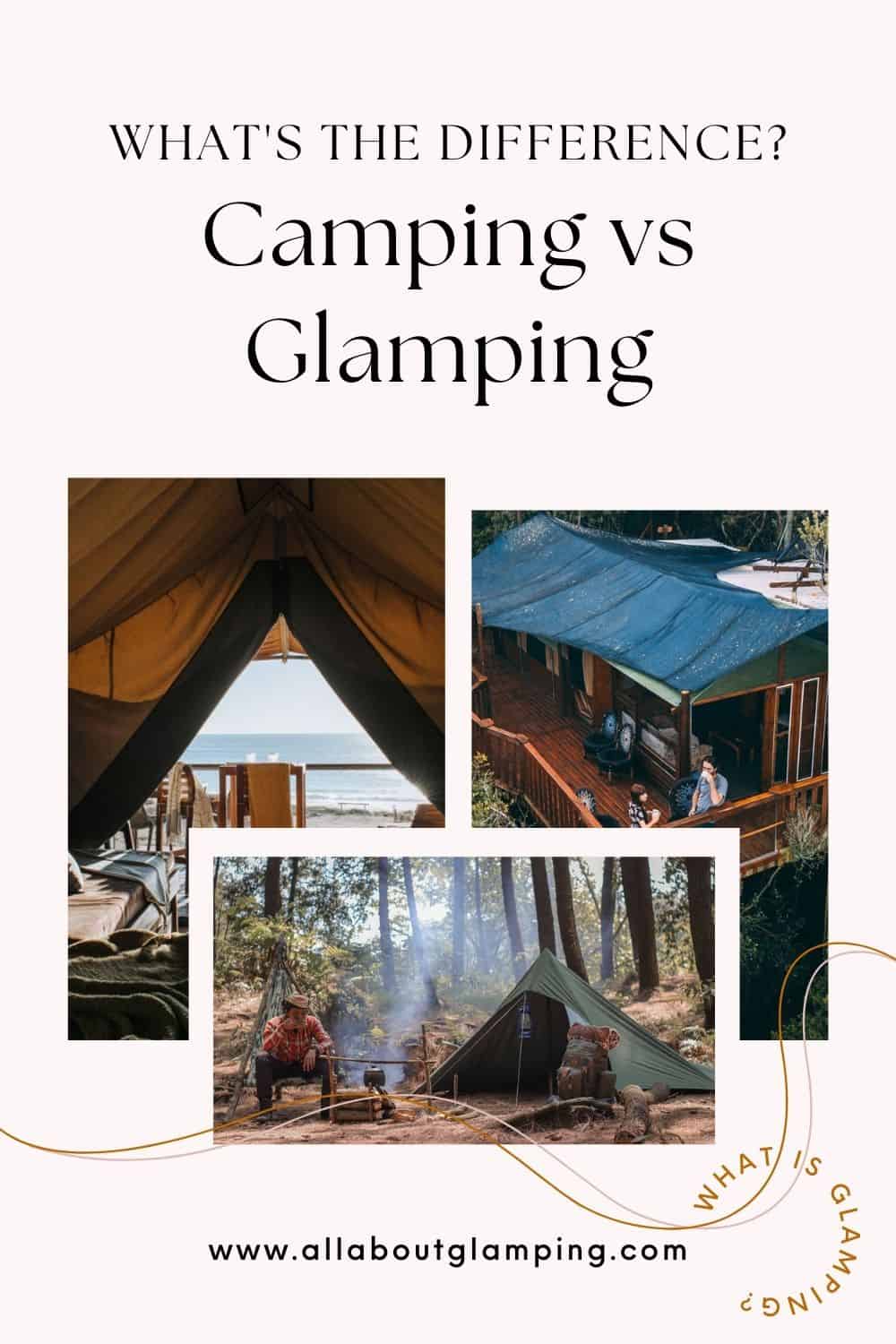
Glamping and camping are related, but they are not the same thing.
Camping usually means bringing your own tent, sleeping bags, cooking gear, lanterns, and supplies. You set everything up yourself. You also deal with the rougher parts, like cold nights, uncomfortable sleep, and the midnight walk to the bathroom.
Glamping removes many of those pain points.
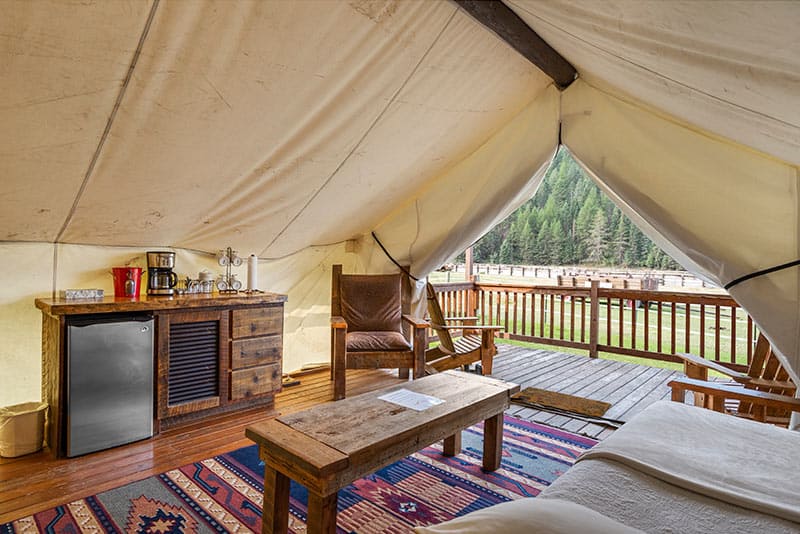
Most glamping stays are already set up when you arrive. Many include beds, furniture, lighting, heating, private decks, outdoor seating, and kitchen basics. Some even include hotel-style extras like robes, coffee stations, soaking tubs, or room service.
Camping is more DIY.
Glamping is more “show up and enjoy.”
Both are great. They just suit different people and different trips.
Why Is Glamping So Popular?
Glamping has grown because it solves a simple problem.
A lot of people want nature, but they do not want the stress of traditional camping.
They want the forest, lake, mountains, beach, desert, or countryside. They just do not want to buy gear, pack coolers, sleep on rocks, or argue with tent poles in the dark.
Glamping also works for more types of travelers.
It is popular with couples, families, solo travelers, friend groups, older travelers, and people trying outdoor travel for the first time. It is also a great option for people who love the idea of camping but need more comfort, safety, or convenience.
It makes nature feel easier to access.
And honestly, waking up in a cozy bed with birds outside your window is a pretty strong sales pitch.
What Is a Glamping Site Like?
Every glamping site is different, but most fall somewhere between a campground and a boutique hotel.
A basic glamping site might include a canvas tent with a real bed, shared bathrooms, a fire pit, and a picnic table.
A luxury glamping site might include a king bed, ensuite bathroom, kitchenette, wood stove, private hot tub, heated floors, and a deck with mountain views.
Some sites feel rustic and off-grid. Others feel polished and high-end.
That range is part of what makes glamping fun.
Before booking, read the listing carefully. The word “glamping” can mean many things.
One property may offer a fully furnished safari tent with a bathroom.
Another may offer a simple bell tent with a bed and shared facilities.
Both can be glamping. But they are very different experiences.
Common Types of Glamping Accommodations
There are many types of glamping stays. Some are classic. Some are wonderfully weird. That is part of the appeal.
First-timers often start with canvas tents, domes, cabins, yurts, treehouses, or pods. If you want to compare styles, browse our guides to glamping tents and domes, glamping treehouses, tipi and yurt glamping, and glamping pods and cabins.
Here are the most common types of glamping accommodations.
Safari Tents
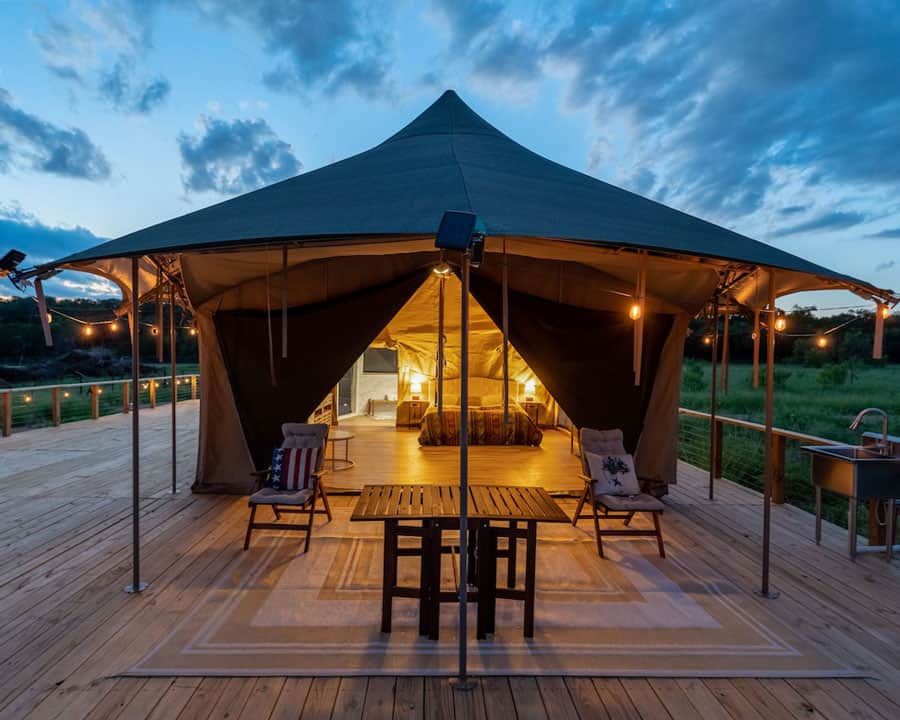
Safari tents are one of the most popular types of glamping.
They are large canvas tents, often built on wooden platforms. Many have real beds, rugs, seating areas, lighting, and private decks. Some include ensuite bathrooms and kitchenettes.
They offer a classic outdoor feel without making you sleep on the ground.
Safari tents are great for couples, families, and anyone who wants a comfortable but still outdoorsy experience.
They are also a good choice for first-timers because they feel close to camping, but much easier.
Bell Tents
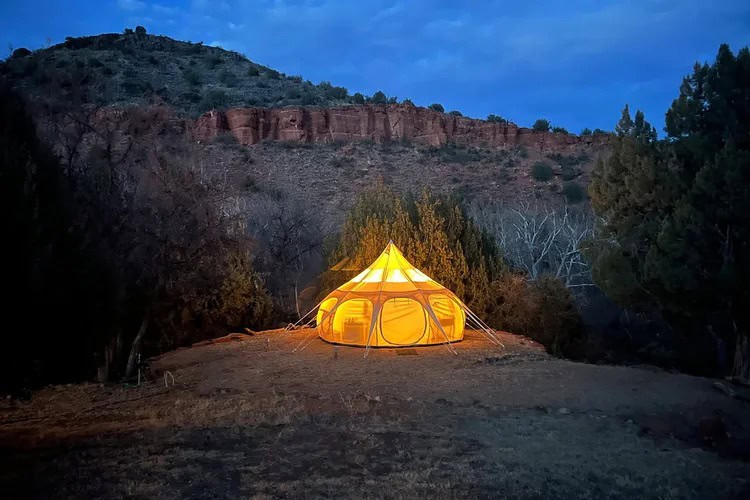
Bell tents are round canvas tents with a center pole.
They are usually simpler than safari tents but still cozy. Many include a bed, rugs, lights, and basic furniture. Some have wood stoves or private outdoor areas.
Bell tents are often more affordable than luxury cabins or domes.
They are a good first glamping choice if you want something cute, simple, and close to traditional camping.
Just check the bathroom setup before you book. Some bell tents use shared bathhouses.
Yurts
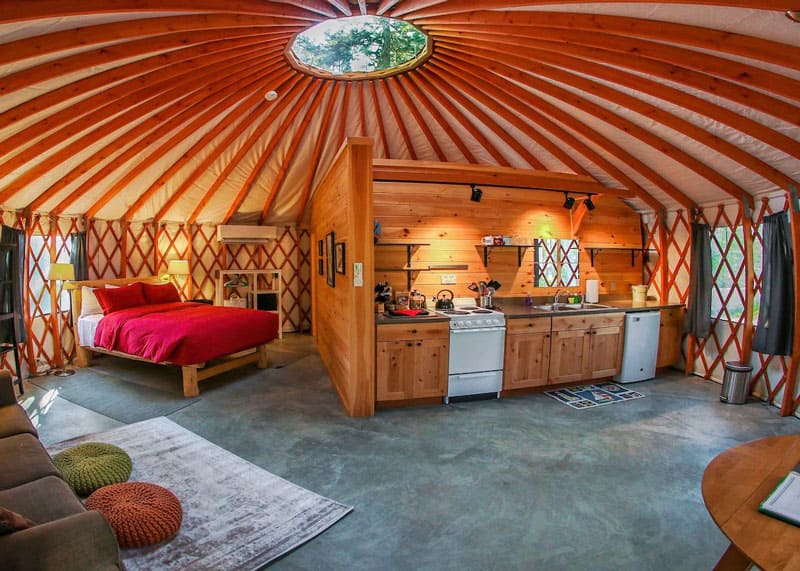
Yurts are round, sturdy structures inspired by traditional nomadic homes.
They often have wood frames, solid floors, insulation, and more space than a tent. Some yurts are rustic. Others are fully furnished with bathrooms, kitchens, heat, and electricity.
Yurts are great in many seasons because they tend to feel more solid and protected than tents.
They are especially good for families and longer stays.
If this sounds like your kind of trip, you may also like our guide to glamping yurts in Oregon.
Domes
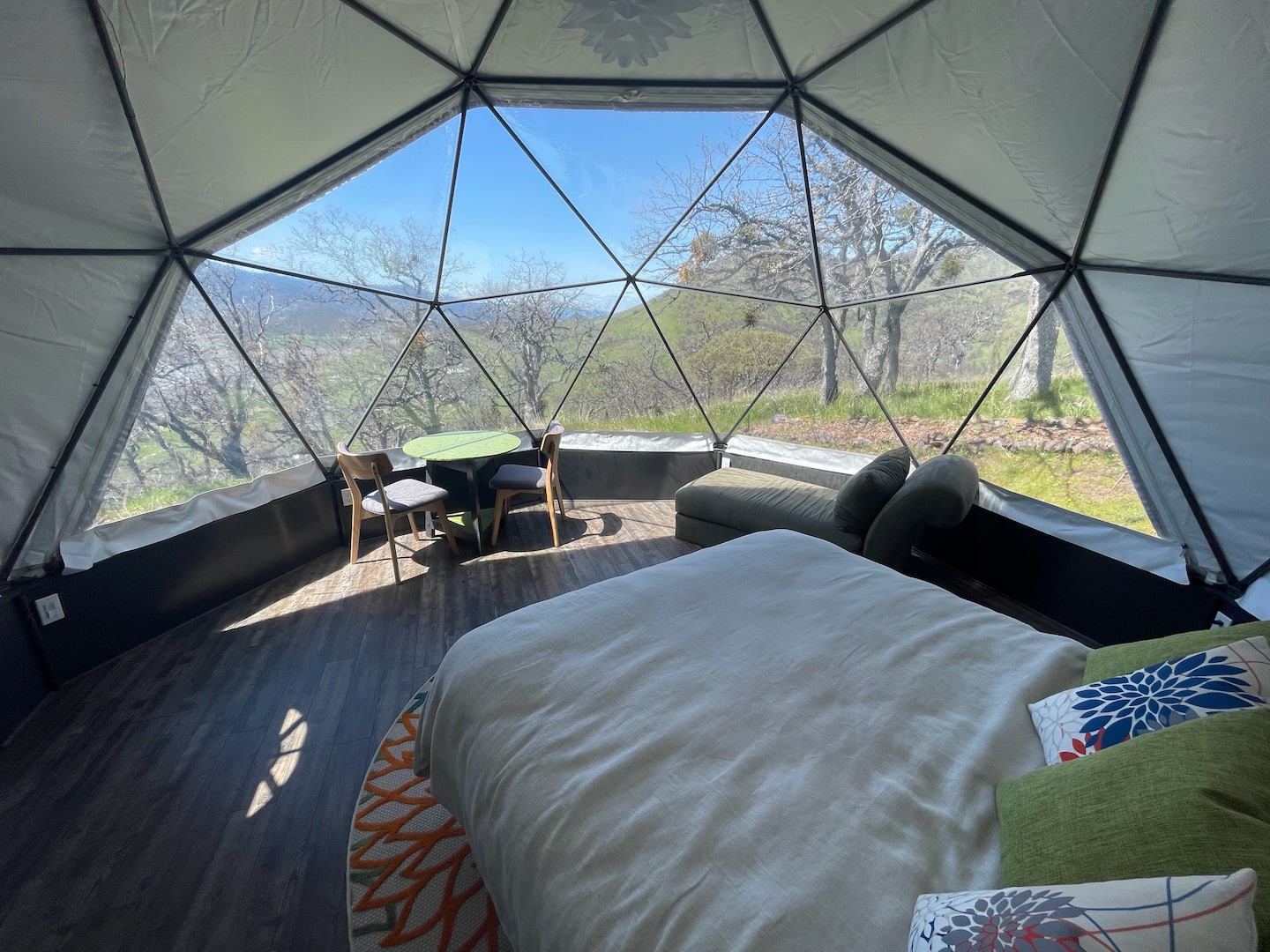
Geodesic domes are modern, eye-catching, and very popular for scenic getaways.
They often have big windows, curved interiors, cozy beds, and great views. Some are simple. Others include bathrooms, kitchenettes, fireplaces, and hot tubs.
Domes work well in forests, deserts, mountain areas, and stargazing destinations.
If you want a stay that feels a little futuristic but still connected to nature, a dome is a fun choice.
Domes are also a great option for couples because they often feel private and memorable.
Treehouses
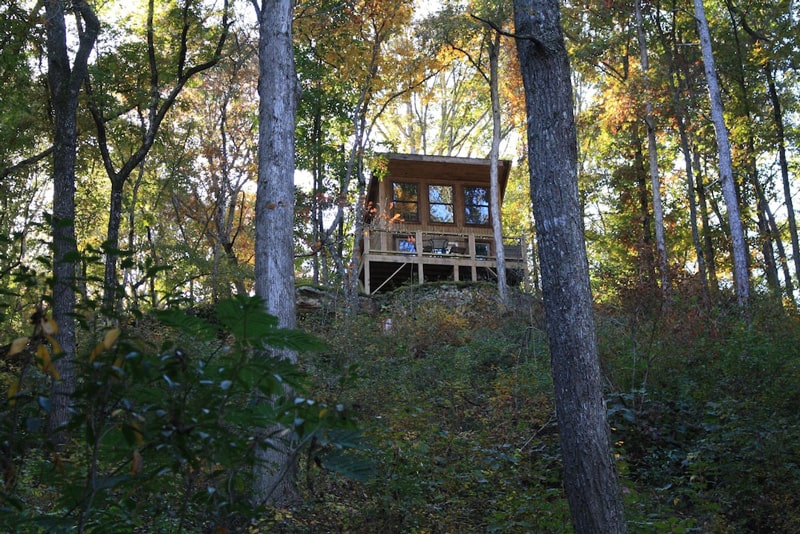
Treehouse glamping is exactly what it sounds like.
You stay in a raised structure among the trees. Some treehouses are rustic and playful. Others are luxury stays with full bathrooms, decks, soaking tubs, and fireplaces.
Treehouses are great for romantic trips, birthdays, anniversaries, and anyone who wants something more memorable than a regular hotel.
Just check the access before booking.
Some treehouses have stairs, bridges, or steep paths. That may not work for everyone.
If you love unusual stays, browse our glamping treehouses section for more ideas.
Tiny Cabins
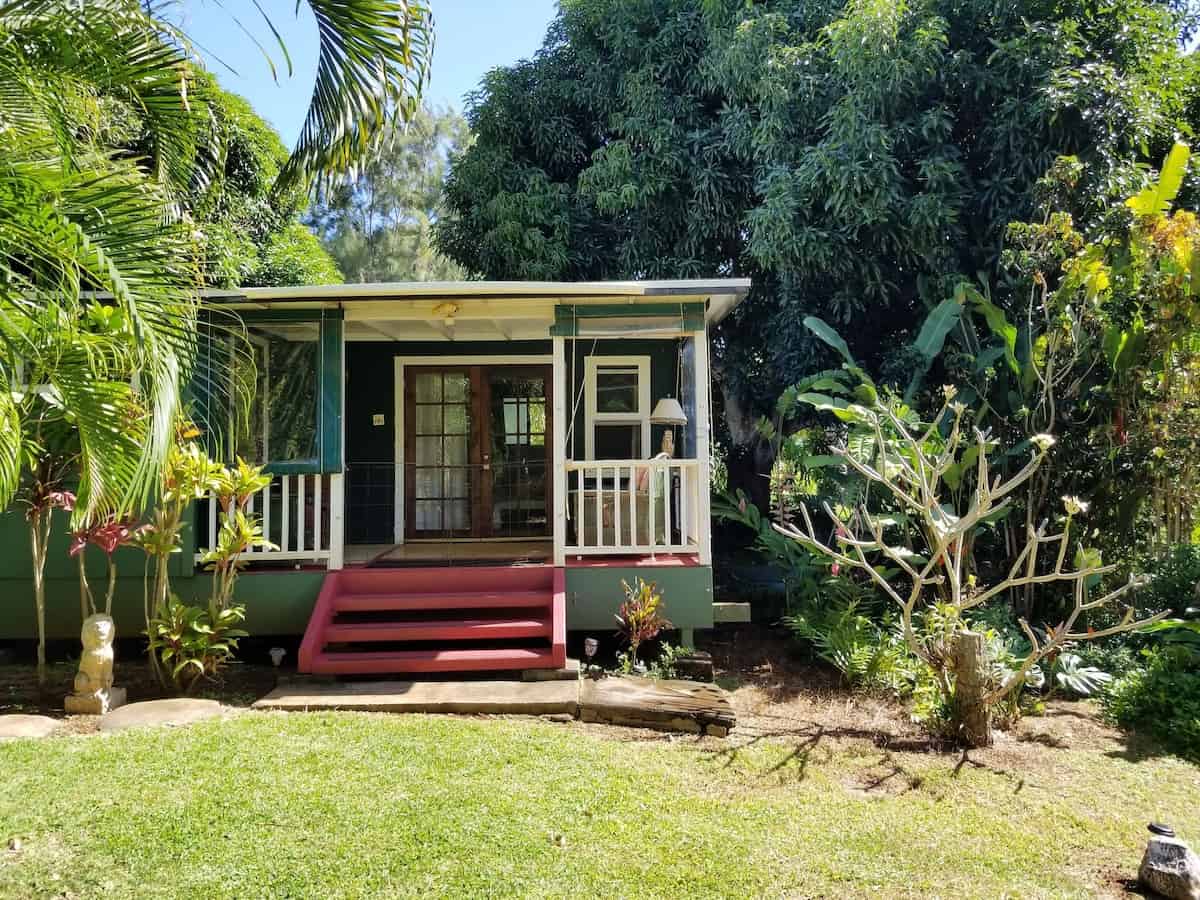
Tiny cabins are a great choice for people who want nature with more privacy and structure.
They usually feel more like a small vacation rental than a tent. Many include heating, air conditioning, bathrooms, kitchenettes, and real walls.
Tiny cabins are ideal for colder weather, rainy destinations, and guests who want a very easy first glamping experience.
They are also a good option for travelers who are curious about glamping but not ready for canvas walls.
For many first-timers, a tiny cabin is the safest bet.
You get the outdoor setting without worrying as much about weather, bugs, or bathroom walks.
Airstreams and Vintage Trailers
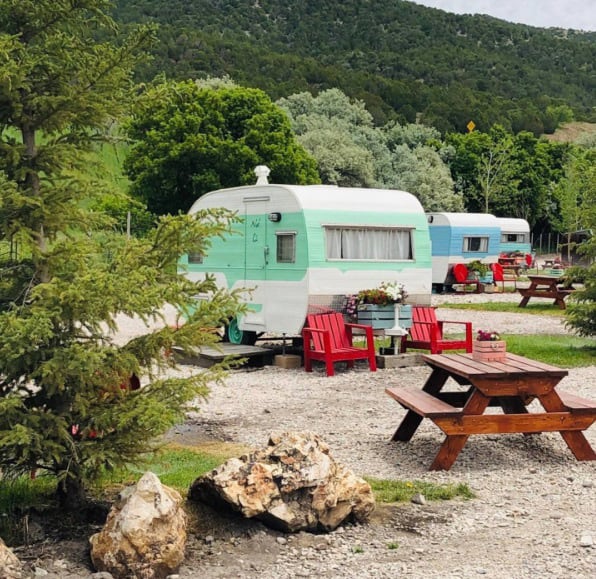
Airstreams and vintage trailers offer a fun retro version of glamping.
They often include beds, small kitchens, bathrooms, seating areas, and stylish interiors. Some are parked in scenic places with private decks, fire pits, or outdoor tubs.
This type of stay is great if you want a mix of nostalgia, comfort, and outdoor space.
It also works well for road trip-style destinations.
The best ones feel like a tiny home with wheels, personality, and better lighting than your first apartment.
Shepherd’s Huts
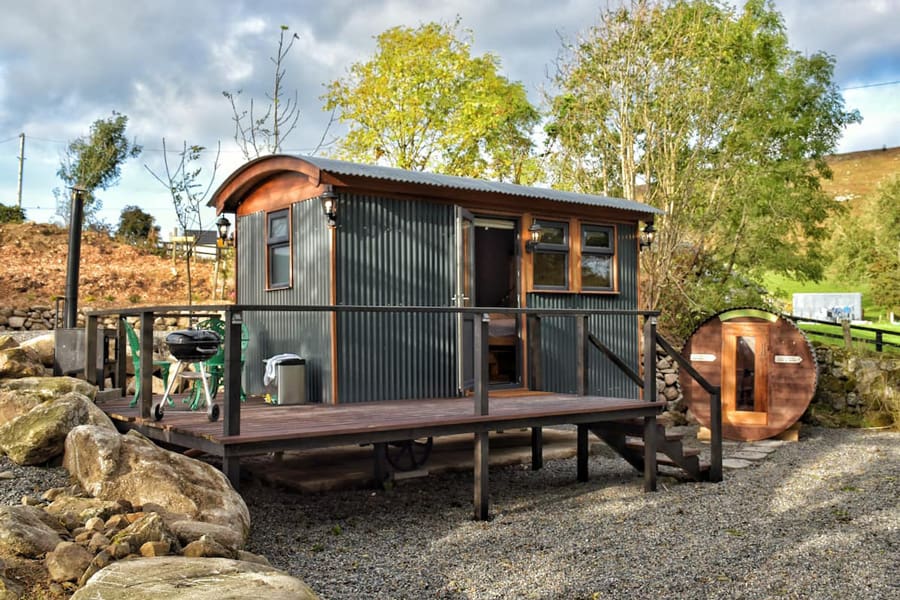
Shepherd’s huts are small, cozy cabins on wheels.
They are especially popular in the United Kingdom and Europe, but you can find similar stays elsewhere too. They usually include a bed, wood stove, small seating area, and sometimes a bathroom or kitchenette.
Shepherd’s huts are best for couples or solo travelers.
They are simple, charming, and ideal for slow countryside stays.
They also work well for travelers who want cozy over flashy.
Tipis
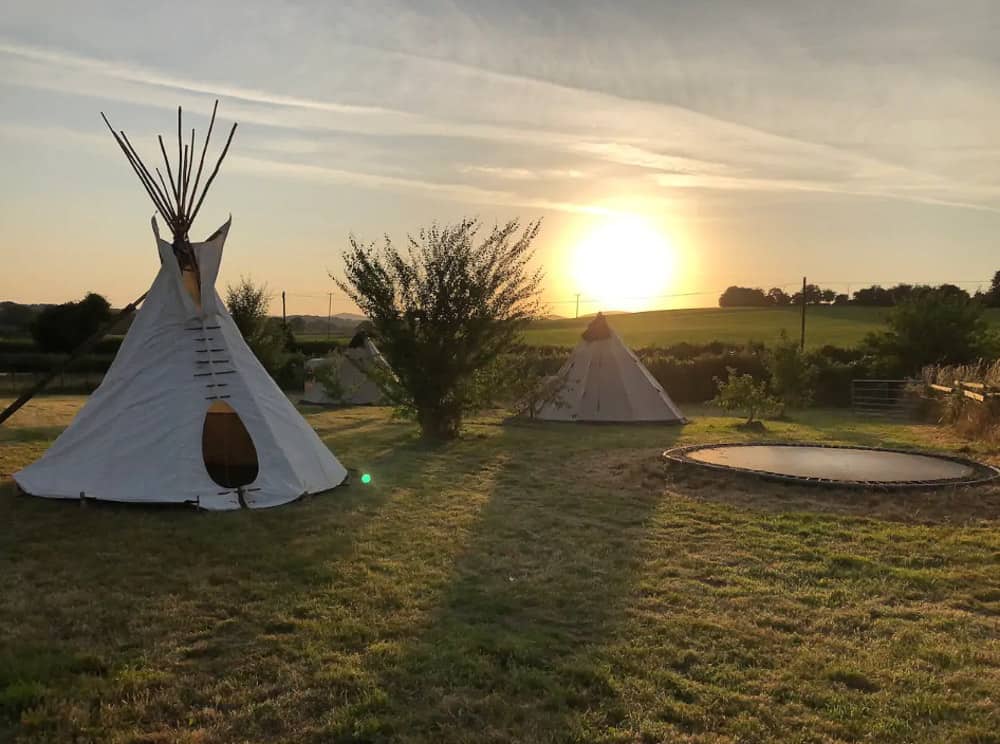
Tipis are another popular glamping option, especially in wide-open areas, farm stays, and nature-focused retreats.
Some are simple and rustic. Others include beds, rugs, lighting, fire pits, and shared bathroom access.
Tipi glamping can be fun and memorable, but first-timers should read the listing carefully. These stays are often more rustic than cabins, domes, or yurts.
If you like the idea of a unique canvas stay, explore our tipi and yurt glamping guides.
Glamping Pods
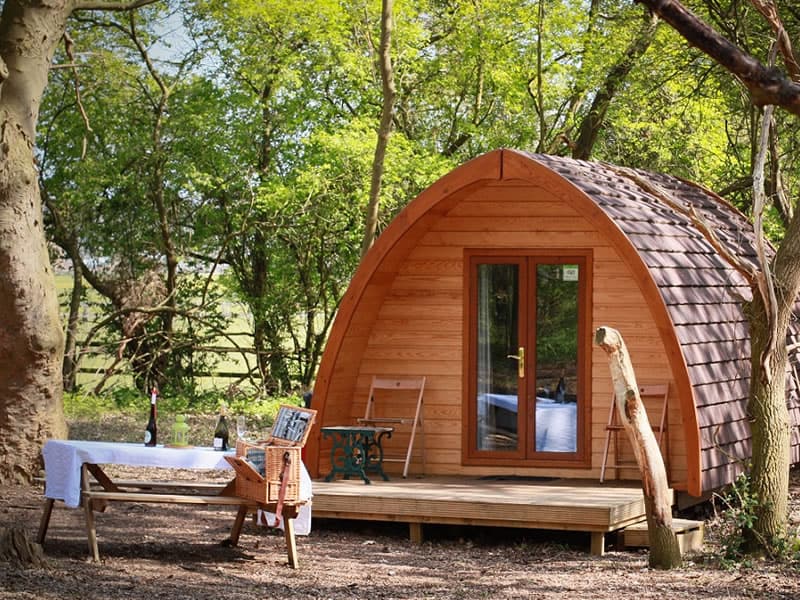
Glamping pods are small wooden or insulated cabins.
They are often compact, cozy, and budget-friendly. Some are basic sleeping pods with shared facilities. Others include bathrooms, kitchenettes, heating, and private decks.
Pods are a good entry-level glamping option if you want more comfort than camping but do not need full luxury.
They are also a smart choice in rainy places because they usually feel more weatherproof than a tent.
You can find more pod-style stays in our glamping pods and cabins section.
What Amenities Does Glamping Usually Include?
Glamping amenities vary a lot.
Some stays are simple and rustic. Others feel luxurious. Always check the listing before booking.
Common glamping amenities may include:
- Real beds
- Mattresses and linens
- Heating or air conditioning
- Electricity
- Private or shared bathrooms
- Showers
- Kitchenettes
- Coffee makers
- Fire pits
- Outdoor seating
- Private decks
- Hot tubs
- Wi-Fi
- BBQ grills
- Mini fridges
- Wood stoves
- Breakfast baskets
- Hammocks
- Stargazing windows
Not every stay has all of these.
A rustic glamping tent may only include a bed, lanterns, and a shared bathhouse.
A luxury glamping dome may include a full bathroom, heated floors, private sauna, and espresso machine.
The details matter.
Read the full listing, not just the pretty photos.
Does Glamping Have Bathrooms?
Sometimes yes. Sometimes no.
This is one of the most important things to check before booking.
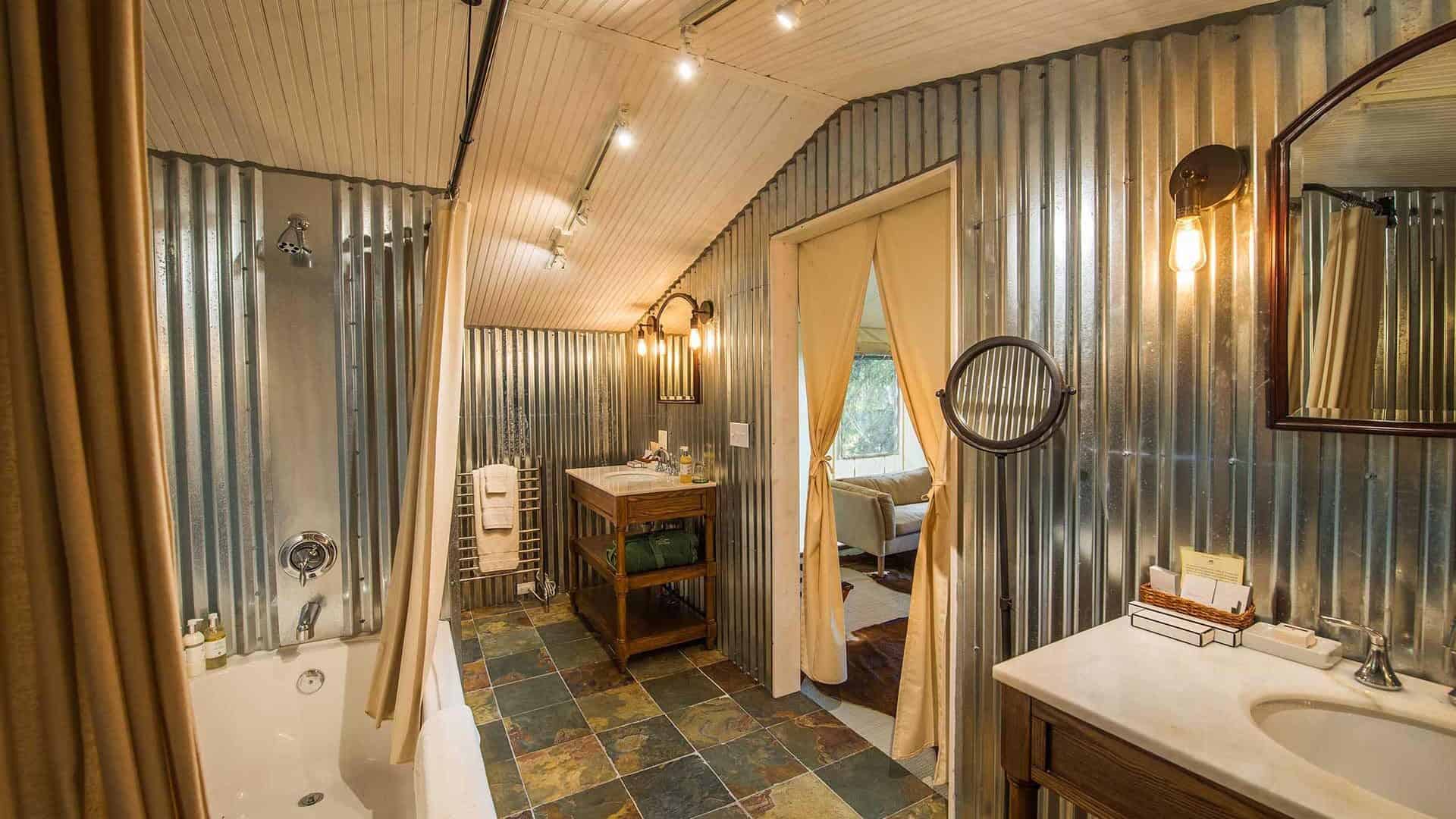
Some glamping accommodations have private ensuite bathrooms. This means the bathroom is inside your tent, dome, cabin, or hut.
Others have a private bathroom nearby. That may mean you walk a few steps outside to your own bathroom building.
Some have shared bathrooms or bathhouses. These are common at glamping resorts, campgrounds, and more affordable properties.
A few rustic stays may have composting toilets, outdoor showers, or no shower at all.
None of these are automatically bad. You just need to know what you are booking.
If you are a first-time glamper, a private bathroom is usually worth paying extra for.
Especially at 2 a.m.
Nobody becomes their best self while searching for a bathhouse with a flashlight.
Does Glamping Have Electricity?
Many glamping stays have electricity, but not all.
Luxury and resort-style glamping properties often include outlets, lights, heat, and sometimes air conditioning.
More rustic or off-grid stays may use solar lights, lanterns, battery packs, or wood stoves instead.
If you need to charge phones, cameras, medical devices, or work equipment, check the listing carefully.
Do not assume electricity is included.
This is especially important for remote stays.
A beautiful off-grid cabin can sound romantic until your phone dies, your camera battery is empty, and you realize the “digital detox” was not fully your choice.
Does Glamping Have Wi-Fi?
Some glamping sites have Wi-Fi. Many do not.
This depends on the location and style of the property.
A glamping resort near town may have strong Wi-Fi. A remote mountain yurt may have none. Some properties offer Wi-Fi in a common area but not inside each accommodation.
If Wi-Fi matters, check before booking.
If you need to work remotely, message the host and ask for speed details. “Wi-Fi available” can mean many things.
It may mean video calls work perfectly.
It may also mean one bar near the goat pen.
Is Glamping Good for Families?
Yes, glamping can be great for families.
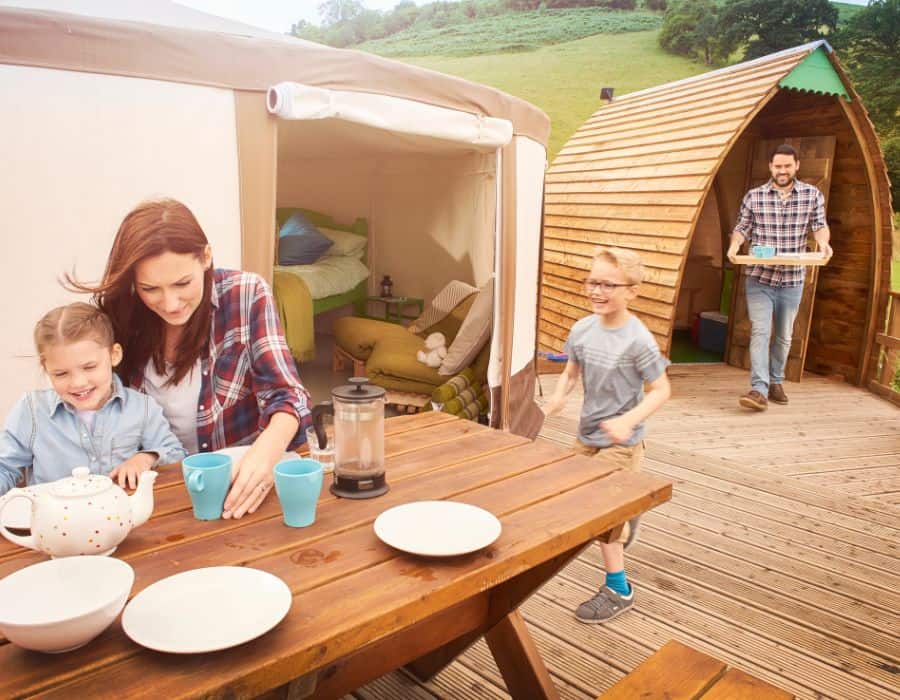
It gives kids a fun outdoor experience while making things easier for parents. You do not need to pack as much gear, set up a tent, or deal with everyone sleeping badly on the ground.
Family-friendly glamping stays may include bunk beds, extra beds, kitchen areas, fire pits, games, walking trails, farm animals, playgrounds, or easy lake access.
Cabins, yurts, safari tents, and pods are often good choices for families.
Before booking, check for safety details. Look at stairs, decks, water access, heating systems, wildlife, and how close the bathroom is.
Also check the sleeping setup.
A listing that says “sleeps four” may mean one queen bed and a pull-out couch.
That might be fine. Or it might be the beginning of a family feud.
Is Glamping Good for Couples?
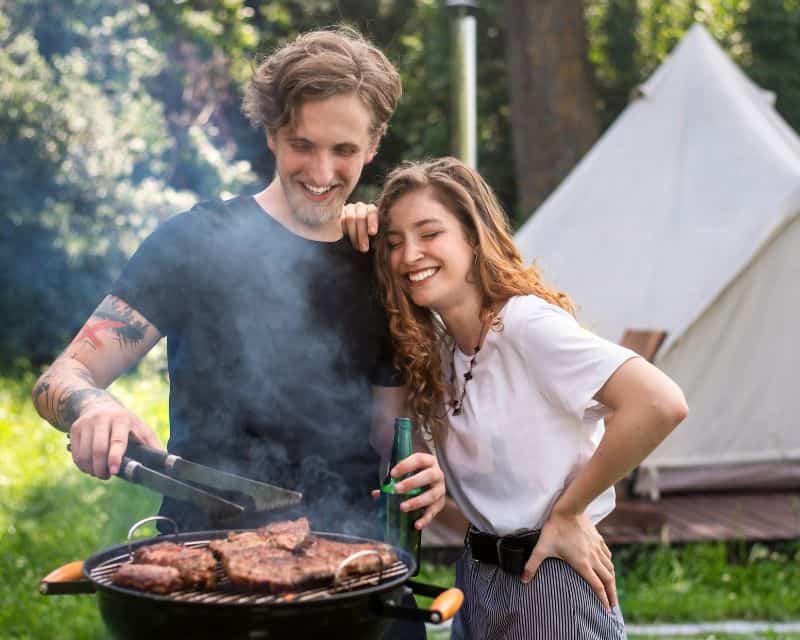
Glamping is one of the best types of romantic getaways.
It feels more special than a standard hotel room, but it usually takes less planning than a full camping trip.
Couples often choose glamping for anniversaries, birthdays, proposals, honeymoons, or quick weekend escapes.
The best romantic glamping stays often include private decks, hot tubs, fireplaces, outdoor baths, lake views, mountain views, or secluded settings.
Treehouses, domes, cabins, safari tents, and Airstreams are all popular for couples.
If privacy matters, look closely at the photos and property map. Some glamping resorts have units close together. Others are more secluded.
A hot tub feels less romantic when the neighbors are five feet away making soup.
Is Glamping Good for Solo Travelers?
Yes, glamping can be a good choice for solo travelers.
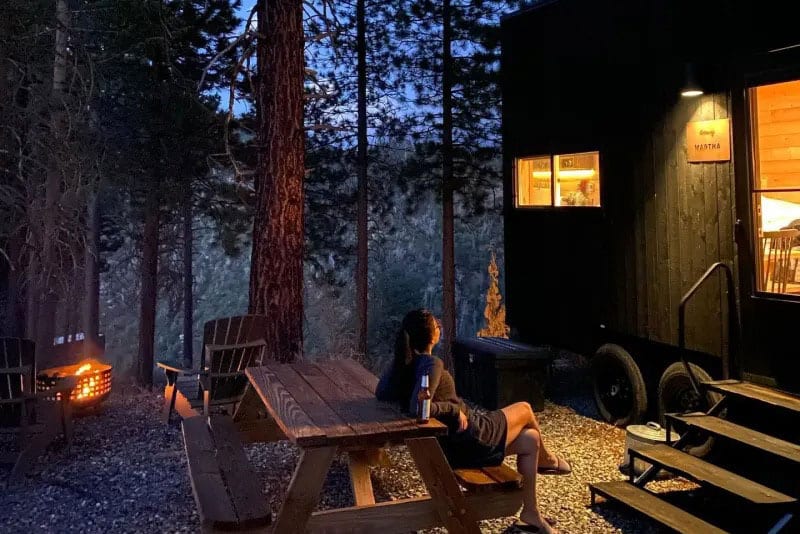
It gives you the peaceful side of camping with a bit more comfort and security. Many solo travelers like glamping because the setup is already done, and there is usually a host or property manager nearby.
Cabins, pods, yurts, and small tents can work well for solo stays.
If you are traveling alone, choose a property with clear check-in instructions, good reviews, safe parking, and reliable communication.
Also check cell service if the stay is remote.
A solo glamping trip can be peaceful, creative, and restorative. Just make sure the location feels right for your comfort level.
Is Glamping Safe?
Glamping is generally safe, but you still need to use common sense.
You are often staying closer to nature than you would in a hotel. That means weather, wildlife, fire safety, uneven paths, and remote locations may be part of the experience.
Before booking, read the safety notes in the listing. Look for information about wildlife, heating, fire pits, water access, road conditions, and emergency contact details.
During your stay, follow the property rules.
Do not leave food outside if you are in bear country. Do not use indoor heaters incorrectly. Do not start fires where they are not allowed. Do not wander into unsafe areas at night.
If your glamping trip is near a national park, check the official National Park Service website before you go. It is one of the best places to confirm road closures, safety alerts, permits, trail conditions, and park rules.
If you are staying in bear country, read the National Park Service guide to storing food around bears. For Canadian mountain destinations, Parks Canada also has helpful advice on safe travel in bear country.
Basically, enjoy nature without acting like the main character in a survival documentary.
How Much Does Glamping Cost?
Glamping prices vary widely.
A simple bell tent or pod may cost less than a hotel room. A luxury treehouse or dome with a private hot tub may cost far more.
In general, glamping prices depend on:
- Location
- Season
- Accommodation type
- Amenities
- Privacy
- View
- Bathroom setup
- Heating or cooling
- Hot tub or sauna access
- On-site activities
- Cleaning fees
- Weekend or holiday demand
Budget glamping can be very affordable.
Luxury glamping can feel more like booking a boutique resort.
First-timers should compare the full price before booking. Cleaning fees, service fees, taxes, and extra guest fees can change the final cost.
A stay that looks cheap at first can become less cute at checkout.
Is Glamping Worth the Money?
Glamping can be worth it if you value comfort, convenience, and a unique setting.
You are not just paying for a bed. You are paying for the experience.
That may include the view, design, setting, fire pit, outdoor bath, quiet morning, and the fact that you did not have to pack a tent.
For many people, that is worth it.
For others, a regular campground or hotel may make more sense.
Glamping is most worth it when the property offers something memorable. That could be a beautiful location, unique accommodation, thoughtful amenities, privacy, or access to activities you care about.
It is less worth it when the listing looks stylish but lacks comfort, privacy, or clear details.
Good glamping feels easy and special.
Bad glamping feels like expensive camping with better pillows.
What Should You Pack for Glamping?
One of the best things about glamping is that you usually pack less than you would for camping.
Still, you should not arrive empty-handed.
Here are useful things to bring on most glamping trips:
- Comfortable clothes
- Warm layers
- Rain jacket
- Good walking shoes
- Sandals or slip-on shoes
- Toiletries
- Phone charger
- Portable power bank
- Flashlight or headlamp
- Bug spray
- Sunscreen
- Reusable water bottle
- Snacks
- Easy meals
- Coffee or tea if not provided
- Books or games
- Swimsuit
- Cooler if needed
- Firewood if not provided
- Lighter or matches if allowed
- Basic first-aid items
Always check what the host provides.
Some glamping stays include bedding, towels, cookware, coffee, firewood, and toiletries.
Others expect you to bring some of those things yourself.
If the listing is unclear, ask before you go.
It is better to send one message than discover there are no towels after a lake swim.
What Should You Not Pack?
Do not overpack.
First-time glampers often bring too much because they are unsure what to expect. Then they spend half the trip stepping over bags in a tiny cabin.
You probably do not need a full camping setup unless the host says so.
You may not need sleeping bags, air mattresses, cooking gear, lanterns, or folding chairs if those are already included.
You also do not need fancy clothes. Glamping can be stylish, but you are still in nature.
Bring comfortable outfits you can wear around a fire pit, trail, lake, or muddy parking area.
And please, do not pack new shoes you have never worn.
Nature will find your blister weakness immediately.
What Do You Eat While Glamping?
Food depends on the property and your travel style.
Some glamping stays include breakfast. Others have on-site restaurants, food trucks, or farm-to-table dinners. Many have kitchenettes, BBQs, fire pits, or shared cooking areas.
For an easy first trip, keep meals simple.
Good glamping food ideas include:
- Coffee and pastries
- Yogurt and granola
- Fruit
- Sandwiches
- Charcuterie boards
- Pasta
- Soup
- Tacos
- Foil packet meals
- Burgers
- Hot dogs
- Campfire nachos
- S’mores
- Pancakes
- Pre-made salads
- Local takeout
If cooking is not your idea of vacation, choose a glamping site near restaurants or one with meals available.
If you love campfire cooking, pick a stay with a fire pit or outdoor kitchen.
Check fire restrictions before planning campfire meals. During dry seasons, fires may be limited or banned.
If your stay has a fire pit, review basic campfire safety before you go. Always follow local fire rules and property instructions.
Can You Go Glamping in Winter?
Yes, winter glamping can be amazing.
But you need the right setup.
Winter-friendly glamping stays usually include insulation, heating, real walls or sturdy canvas, warm bedding, and safe access roads.
Tiny cabins, domes, yurts, and heated safari tents can all work well in cold weather.
Winter glamping is great for snow trips, hot tub getaways, cozy cabin weekends, and quiet off-season escapes.
Before booking, check:
- Heat source
- Bedding
- Bathroom location
- Road access
- Parking
- Snow rules
- Firewood availability
- Power reliability
- Cancellation policy
A snowy dome with a hot tub can be magical.
A freezing tent with vague heating details can be character-building in the worst way.
Can You Go Glamping in the Rain?
Yes, and in many places, rain is part of the experience.
Glamping in the rain can be cozy if your accommodation is dry, warm, and comfortable. A cabin, yurt, dome, or well-built tent can feel wonderful during a storm.
The key is preparation.
Bring waterproof shoes, a rain jacket, extra socks, and clothes that dry quickly. Check whether the walk from your parking spot to your accommodation is muddy or steep.
Also bring indoor activities. Books, cards, board games, downloaded movies, and snacks can save a rainy evening.
Rainy glamping is best when you lean into it.
Make coffee. Listen to the rain. Sit under a covered deck. Feel smug that you are not sleeping in a leaking tent.
How Do You Choose the Right Glamping Stay?
Choosing the right glamping stay comes down to comfort, location, and expectations.
Start by deciding what kind of trip you want.
Do you want a romantic getaway? A family adventure? A quiet solo retreat? A luxury weekend? A budget-friendly outdoor stay?
Then look for a property that matches that goal.
Pay close attention to:
- Accommodation type
- Bathroom setup
- Heating or cooling
- Kitchen access
- Bed size
- Privacy
- Distance from parking
- Road conditions
- Pet policy
- Wi-Fi
- Cell service
- Fire pit rules
- Cleaning fees
- Check-in instructions
- Recent reviews
Photos are helpful, but reviews tell the real story.
Look for repeated comments. If several guests mention uncomfortable beds, poor privacy, noisy roads, or confusing directions, believe them.
A pretty tent cannot overcome a bad night of sleep.
Questions to Ask Before Booking
If the listing does not answer your questions, message the host.
Good questions include:
- Is bedding included?
- Are towels included?
- Is the bathroom private or shared?
- Is the bathroom inside the unit?
- Is there heat or air conditioning?
- Is there electricity?
- Is there Wi-Fi or cell service?
- Is cooking allowed?
- Is firewood provided?
- Are pets allowed?
- How far is parking from the accommodation?
- Is the road suitable for all vehicles?
- Are there quiet hours?
- Are there other units nearby?
- What should guests bring?
A good host will be happy to answer.
If the host gives vague answers or ignores basic questions, that may be a sign to keep looking.
Best Glamping Types for First-Timers
If you are trying glamping for the first time, choose comfort over novelty.
A wild cliffside treehouse or off-grid desert tent might look amazing, but it may not be the easiest first trip.
Best first-time options include:
- Tiny cabins
- Yurts
- Domes
- Safari tents with bathrooms
- Glamping pods
- Airstreams
- Cabins with outdoor features
These options usually offer a good balance of nature and comfort.
For your first trip, I recommend booking a stay with a real bed, heat, electricity, and a private bathroom.
Once you know what you like, you can try more rustic or adventurous stays later.
Best Places to Go Glamping
You can find glamping in many destinations now.
Popular glamping locations include:
- National park gateway towns
- Forest retreats
- Mountain regions
- Lakeside properties
- Beach destinations
- Desert landscapes
- Vineyards
- Farms
- Riverfront sites
- Private wooded land
- Scenic rural areas
Glamping works especially well near outdoor attractions.
Think hiking trails, scenic drives, beaches, lakes, hot springs, ski areas, wineries, and national parks.
For destination ideas, start with our guides to glamping in Oregon, unique glamping in British Columbia, glamping in Vermont, and glamping in Alberta.
If you are planning around a major park, book early. Glamping near national parks can fill up fast, especially in summer and fall.
Glamping Near National Parks
Glamping near national parks is a great option for first-timers.
You get access to big outdoor adventures during the day, then return to a comfortable stay at night. That is a pretty nice balance.
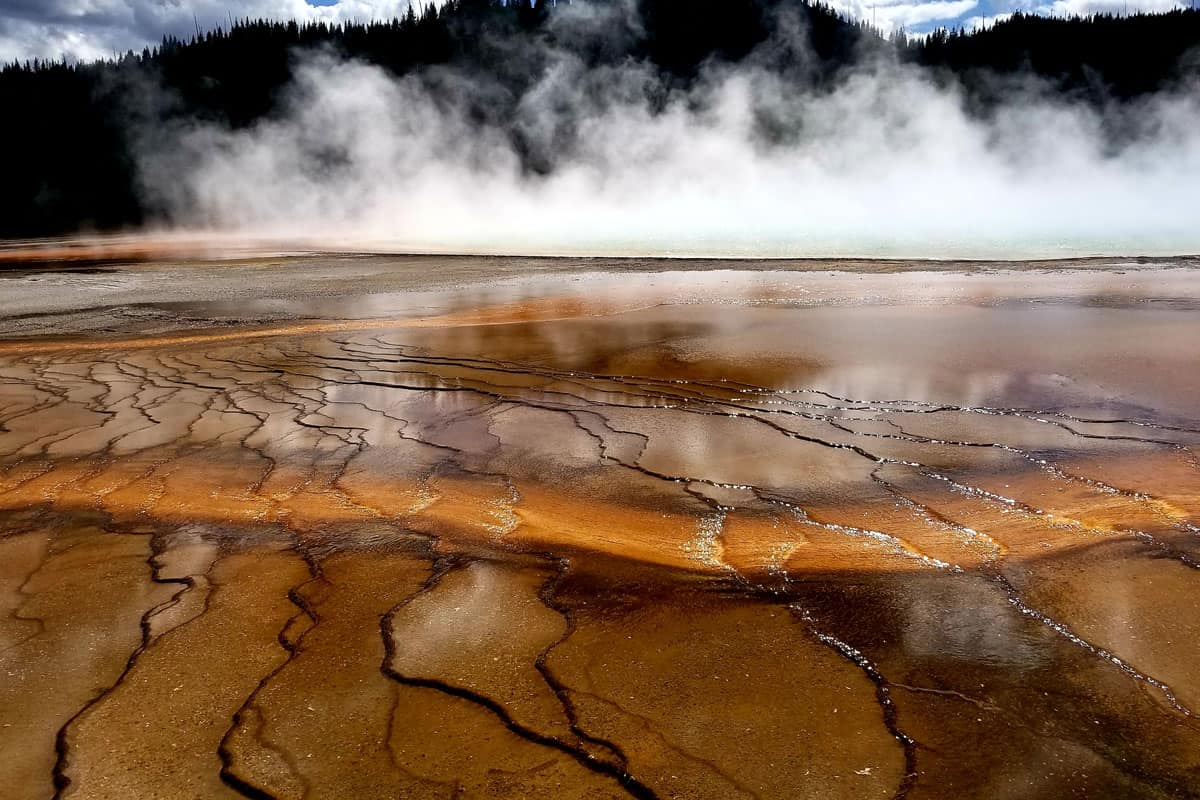
You can find glamping near many popular parks, including Yellowstone, Grand Teton, Zion, Yosemite, Great Smoky Mountains, Acadia, Glacier, Joshua Tree, Olympic, and the Grand Canyon.
When booking near national parks, check drive times carefully.
A listing may say “near the park,” but that can mean 10 minutes or 90 minutes. Also check which entrance it is near. Some national parks are huge, and the wrong entrance can add hours to your trip.
“Close to Yellowstone” is doing a lot of work in some listings.
For national park trip ideas, check out our guides to glamping near Yellowstone, Mt. Rainier cabins, yurts, treehouses and more, and Crater Lake glamping.
Glamping in Different Countries
Glamping can look very different depending on where you go.
In some places, glamping means safari tents, domes, and luxury cabins. In others, it means countryside pods, shepherd’s huts, yurts, tipis, or farm stays.
That is one reason glamping is so fun to explore. The style changes with the landscape and local culture.
For example, glamping in Ireland often includes countryside pods, yurts, caravans, and farm stays. Meanwhile, glamping in Yorkshire leans into pods, huts, and rural escapes.
The core idea stays the same.
You get nature, comfort, and a stay that feels a little more special than the usual hotel room.
Glamping With Pets
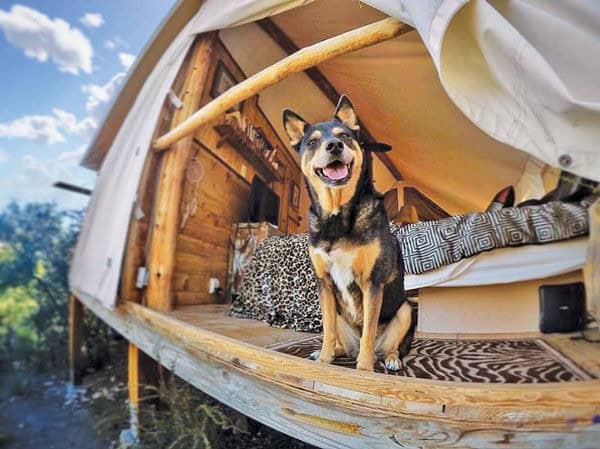
Many glamping sites allow pets, but not all.
If you want to bring a dog, check the pet policy before booking. Look for pet fees, size limits, breed restrictions, leash rules, and whether pets can be left alone inside the accommodation.
Also consider the location.
A dog-friendly cabin near trails may be perfect. A small canvas tent in a hot climate may not be.
Bring your pet’s bed, bowls, food, leash, towels, and waste bags. Keep them away from wildlife and follow all property rules.
Pet-friendly glamping can be wonderful, but only if the setup actually works for your pet.
Glamping Etiquette
Glamping is more comfortable than camping, but you are often still sharing outdoor space with other guests.
A little etiquette goes a long way.
Keep noise down at night. Respect quiet hours. Do not walk through other people’s sites. Clean up after yourself. Follow fire rules. Keep pets under control. Leave the accommodation tidy.
If you are using shared bathrooms, kitchens, or fire pits, treat them with respect.
It is also worth reviewing the Leave No Trace principles before your trip, especially if you are staying near trails, lakes, beaches, forests, or public land.
Also remember that sound travels outdoors.
Your late-night conversation may be less private than you think.
The raccoons know everything.
Common Glamping Mistakes to Avoid
First-time glampers usually make a few common mistakes.
The biggest one is assuming every glamping stay includes the same amenities.
It does not.
Always check the bathroom, bedding, heat, electricity, and cooking setup before booking.
Another mistake is ignoring the weather. Glamping is still outdoor travel. Rain, wind, bugs, heat, cold, and mud can all show up.
People also underestimate location. A remote stay may be beautiful, but it can also mean rough roads, no restaurants, no cell service, and long drives to attractions.
Finally, do not arrive too late if the property is remote.
Finding a tiny cabin in the woods is much easier in daylight than in pitch black with one bar of service and a partner saying, “I think we passed it.”
That is how horror movies and bad moods begin.
Is Glamping Eco-Friendly?
Glamping can be eco-friendly, but it depends on the property.
Some glamping sites are built with sustainability in mind. They may use solar power, composting toilets, rainwater systems, local materials, low-impact design, and careful land management.
Others are more focused on luxury and may have a larger footprint.
If sustainability matters to you, look for properties that clearly explain their practices. Do not rely only on words like “eco,” “green,” or “natural.”
Good signs include:
- Solar power
- Water conservation
- Composting toilets
- Local building materials
- Recycling
- Low-impact construction
- Native landscaping
- Wildlife protection
- Local hiring
- Minimal single-use plastics
Glamping can be a more thoughtful way to stay close to nature, but the details matter.
What Is Luxury Glamping?
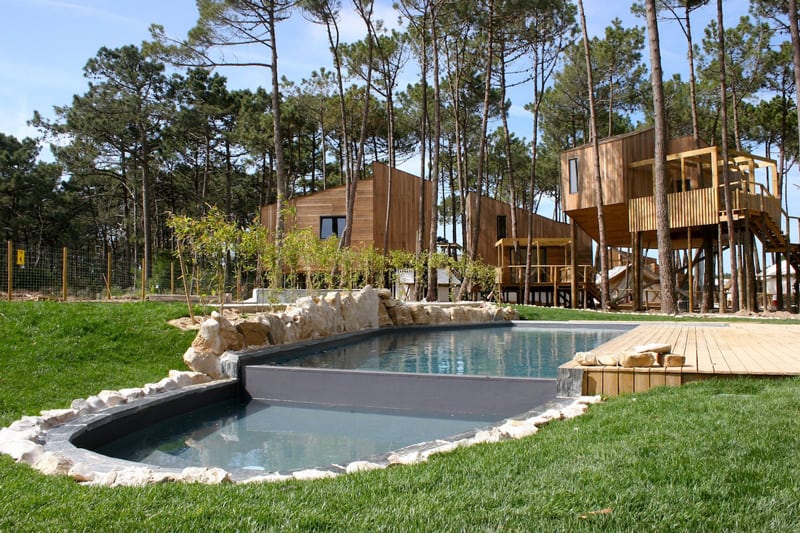
Luxury glamping is the high-end version of glamping.
This is where things start to feel more like a boutique resort than a campground.
Luxury glamping may include:
- King beds
- Ensuite bathrooms
- Private hot tubs
- Outdoor soaking tubs
- Fireplaces
- High-end linens
- Chef-prepared meals
- Spa services
- Saunas
- Air conditioning
- Heated floors
- Private decks
- Concierge service
- Guided activities
Luxury glamping is great for special occasions.
It is also good for travelers who want nature but do not want to compromise much on comfort.
Just know that prices can be high. You are often paying for the location, design, amenities, and experience.
What Is Rustic Glamping?
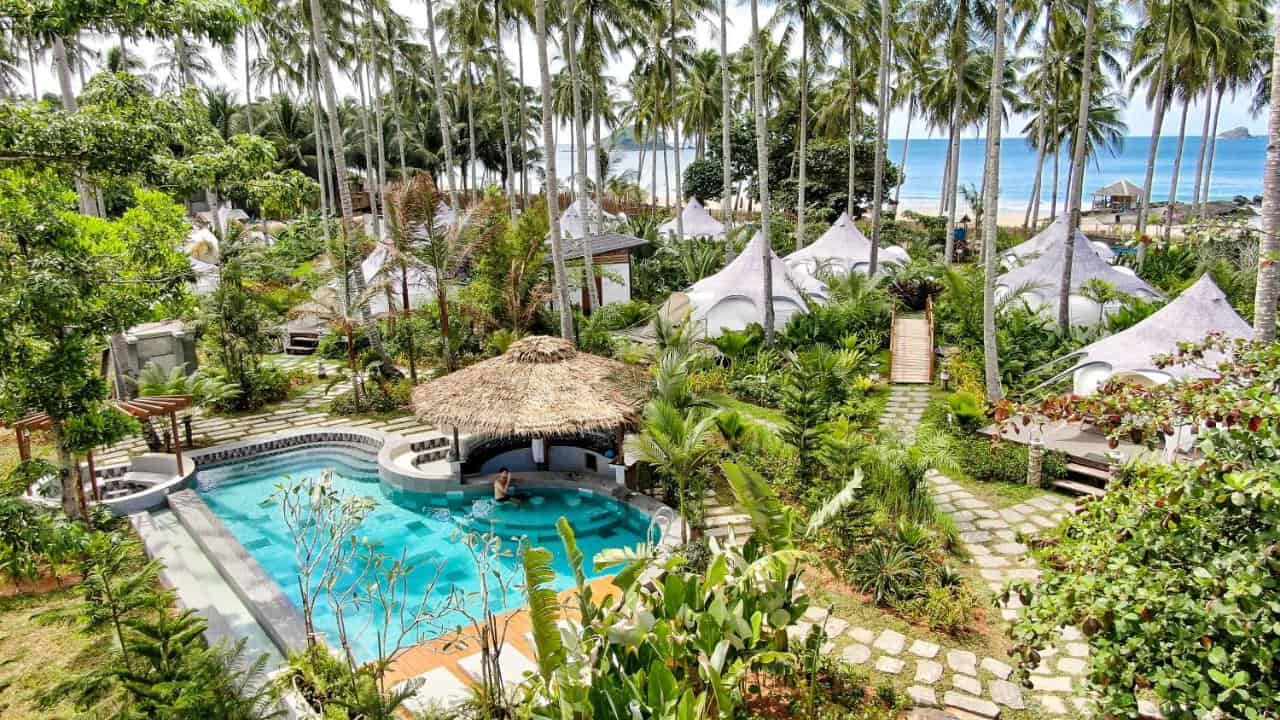
Rustic glamping is closer to traditional camping, but still more comfortable.
A rustic glamping stay may include a furnished tent, bed, basic lighting, shared bathroom, and outdoor cooking area.
It may not include electricity, heat, Wi-Fi, or private plumbing.
This can still be a great experience. In fact, many people prefer rustic glamping because it feels more connected to nature.
The key is knowing what you are getting.
Rustic can mean charming.
Rustic can also mean “bring your own towel and lower your expectations.”
Read the details.
Glamping vs. Airbnb
Glamping and Airbnb can overlap, but they are not the same thing.
Many glamping stays are listed on vacation rental platforms. But glamping is more about the type of experience than the booking platform.
A standard apartment in a city is not glamping.
A treehouse in the forest, yurt on a farm, or dome by a lake could be glamping, whether you book it through a rental platform or directly with the property.
For the best experience, compare details carefully.
Look at the accommodation type, amenities, location, reviews, cleaning fees, and cancellation policy.
The platform matters less than the stay itself.
Glamping vs. Cabin Rentals
Cabin rentals can be glamping, but not always.
A regular cabin in a neighborhood may just be a vacation rental.
A small cabin in a forest with a fire pit, outdoor bath, stargazing window, and nature-focused design may feel more like glamping.
The difference is usually the experience.
Glamping is not only about where you sleep. It is about being close to nature in a way that feels special, comfortable, and memorable.
How to Plan Your First Glamping Trip
Planning your first glamping trip does not need to be hard.
Start with a destination. Choose somewhere within a comfortable drive, especially for your first trip. A one or two-night stay is enough to test the waters.
Next, choose your comfort level.
For a first trip, I would look for:
- A real bed
- Private bathroom
- Heating or cooling
- Easy parking
- Clear check-in
- Good reviews
- Simple food options nearby
- Flexible cancellation policy
Then plan one or two activities.
Do not overfill the itinerary. Glamping is partly about slowing down. Leave time for sitting by the fire, drinking coffee outside, reading, walking, or doing absolutely nothing with confidence.
That last one is underrated.
A Simple First-Time Glamping Itinerary
Here is an easy two-night glamping plan.
Day One
Arrive before dark.
Check in, unpack, and get familiar with the space. Find the bathroom, fire pit, lights, heater, and any cooking supplies.
Keep dinner simple. Bring something easy or grab takeout nearby.
Spend the evening by the fire, on the deck, or relaxing inside.
Day Two
Make coffee or breakfast at your stay.
Go for a hike, visit a nearby town, explore a lake, go wine tasting, or check out a local attraction.
Return in the afternoon for downtime.
Cook a simple dinner, use the hot tub if you have one, make s’mores, or watch the stars.
Day Three
Have a slow morning.
Pack up, take one last walk, and leave time to clean up before checkout.
Stop somewhere fun on the drive home so the trip does not end in a gas station snack spiral.
What Makes a Great Glamping Experience?
A great glamping experience usually comes down to a few things.
The stay should be clean, comfortable, and well described.
The setting should feel peaceful or special.
The host should communicate clearly.
The amenities should match the price.
The location should make sense for the trip.
Most of all, the experience should feel easy.
You should not spend the whole time figuring out how things work, hunting for supplies, or wondering whether the photos were taken by a magician.
The best glamping stays feel thoughtful. You can tell someone imagined how guests would actually use the space.
Who Should Try Glamping?
Glamping is a good fit for many travelers.
You might love glamping if you:
- Like nature but dislike tent camping
- Want a romantic getaway
- Need a family-friendly outdoor trip
- Want a unique weekend escape
- Prefer real beds and bathrooms
- Like cabins, treehouses, yurts, or tiny homes
- Want to visit national parks with more comfort
- Enjoy campfires, stargazing, and quiet mornings
- Want something more memorable than a hotel
You may not love glamping if you need full hotel services, dislike bugs, hate outdoor sounds, or expect every stay to feel luxury-level perfect.
Glamping is comfortable, but it is still close to nature.
That is the whole point.
Quick Glamping Definition for First-Timers
Glamping is a style of outdoor travel that combines nature with more comfort than traditional camping. Most glamping stays include a ready-made accommodation, such as a tent, yurt, dome, cabin, pod, treehouse, or trailer. Many include real beds, furniture, electricity, bathrooms, heating, outdoor seating, fire pits, or other amenities.
The goal of glamping is simple.
It lets you enjoy the outdoors without needing to set up a campsite from scratch.
Glamping FAQ
What does glamping mean?
Glamping means glamorous camping. It is a style of outdoor travel where guests stay in ready-made accommodations with more comfort than traditional camping.
What is the difference between camping and glamping?
Camping is usually more DIY. You bring your own tent, bedding, cooking gear, and supplies. Glamping usually includes a furnished stay that is already set up when you arrive.
Do glamping sites have real beds?
Many glamping sites have real beds, mattresses, linens, and pillows. Some rustic sites may require you to bring bedding, so always check before booking.
Do glamping sites have bathrooms?
Some glamping sites have private bathrooms. Others use shared bathhouses, composting toilets, or outdoor showers. Bathroom setup is one of the most important things to check before booking.
Is glamping good for people who do not like camping?
Yes. Glamping is often ideal for people who like nature but do not enjoy roughing it. It offers a softer, easier way to experience the outdoors.
Is glamping expensive?
Glamping can be budget-friendly or very expensive. Prices depend on the location, season, accommodation type, amenities, privacy, and level of luxury.
What should I pack for glamping?
Pack comfortable clothes, layers, toiletries, shoes, a rain jacket, snacks, chargers, bug spray, sunscreen, and any food or supplies not provided by the host.
Is glamping safe for families?
Glamping can be very family-friendly. Cabins, yurts, pods, and safari tents often work well for kids. Always check sleeping arrangements, bathroom access, water safety, and property rules before booking.
Can you go glamping in winter?
Yes, but choose a winter-ready stay with heat, insulation, warm bedding, and safe road access. Tiny cabins, yurts, domes, and heated tents can work well in colder seasons.
Is glamping worth it?
Glamping is worth it if you want nature, comfort, and a unique stay without the work of traditional camping. It is especially good for first-time campers, couples, families, and special getaways.
Final Thoughts: Is Glamping Right for You?
Glamping is a great way to enjoy the outdoors without diving fully into traditional camping.
You can sleep in a real bed, enjoy a cozy space, spend time outside, and still feel like you had a nature escape. It is flexible, fun, and beginner-friendly.
Some glamping stays are simple and rustic. Others are polished and luxurious. That means there is probably a version that fits your travel style.
For your first glamping trip, keep it easy.
Choose a comfortable stay with strong reviews, clear amenities, and a location close to things you want to do. Pack layers, bring snacks, read the listing carefully, and do not overplan every minute.
The best part of glamping is the balance.
You get the campfire without the sore back.
You get the stars without the tent setup.
You get nature without pretending that sleeping on the ground builds character.
And honestly, that sounds like a pretty good trip.

Full-time World Travel Writer who runs multiple websites and social media accounts. I have spoken at various conferences around the world. Some of my hobbies include adventure, fitness and new technologies. I am also a trekkie!